
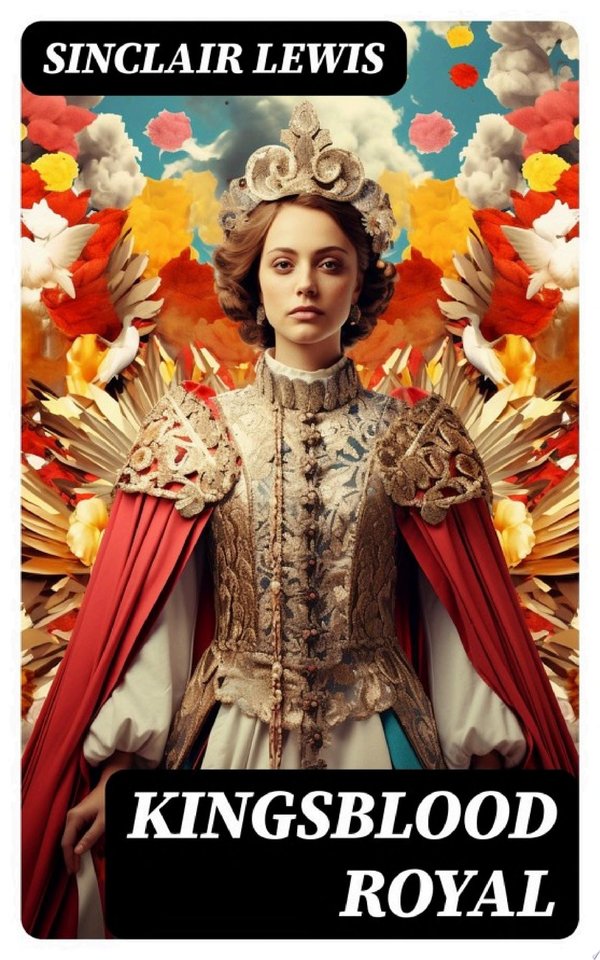
KINGSBLOOD ROYAL
by Sinclair Lewis · Random House
Sinclair Lewis's "Kingsblood Royal" is a powerful exploration of race and identity set in the early 20th century American Midwest. The novel follows the life of Neil Kingsblood, a white man who discovers that he has African ancestry. This revelation compels him to confront the entrenched racism of his community and his own prejudices, ultimately leading to a profound personal transformation. Lewis employs a satirical yet poignant literary style, deftly blending realism with biting social commentary that interrogates the constructs of race and privilege in American society. The narrative reflects the cultural tensions of its time, encapsulating the struggle between individual identity and societal expectations in an era grappling with the implications of race relations. Sinclair Lewis, an award-winning novelist and the first American to receive the Nobel Prize in Literature, often drew from his own experiences growing up in a small town. His prior works, such as "Main Street" and "Babbitt," set the stage for the themes of conformity and social critique that permeate "Kingsblood Royal." Lewis's insightful observations of American life and culture, coupled with his passion for social justice, illuminate the urgent issues presented in the novel. "Kingsblood Royal" is a compelling read for anyone interested in the intersection of race, identity, and societal norms. Lewis's incisive prose and rich character development invite readers to question their own beliefs while providing a mirror to the complex realities of race in America. This novel remains a vital contribution to the ongoing discourse surrounding race relations and its relevance continues to resonate today.
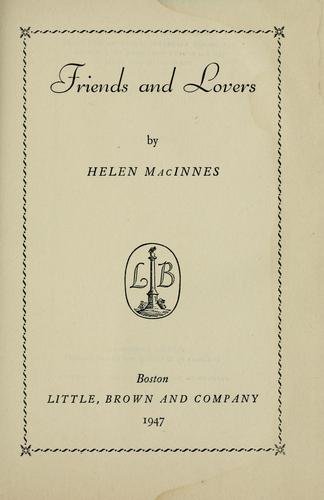
FRIENDS AND LOVERS
by Helen MacInnes · Little, Brown
When a penniless undergraduate and the daughter of a wealthy family fall in love, the odds are against them. But this draws them closer than a love more easily won.
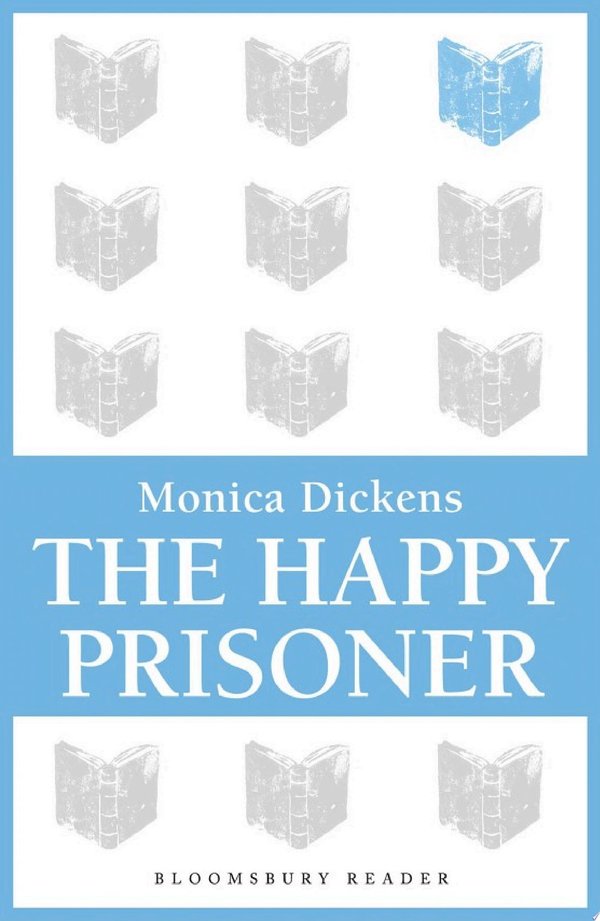
THE HAPPY PRISONER
by Monica Dickens · Michael Joseph
It is the end of WW II and the household of Mrs. North, a well-to-do widow with a country cottage, is very busy. War circumstances brought both of her daughters home: loud but good-hearted tomboy, Violet, and highly-strung and over sensitive Heather with her two small children. Mrs. North is also taking care of her young niece, Evelyn, a lively child who loves to play on the local farm and has a great passion for animals. But at the center of all this is Oliver, Mrs. North's only son who lost his leg during the war service abroad. Recovering from his injuries, bed-ridden Oliver has nothing better to do but observe the busy lives of the people around him. Treated as a hero and a confidant by all the women in his family, Oliver begins to enjoy his new role as a self-proclaimed counselor. Due to his advice, Violet, an independent spinster, unexpectedly accepts the marriage proposal from a local farmer. Her wedding is a success and Violet finds a new happiness in her marriage, but soon Oliver's meddling in his family affairs goes too far. Will his risky instructions save or ruin Heather's marriage, which is at the brink of crisis, when her husband comes back from Australia after a few years of separation? Will Oliver learn to accept his new circumstances? Will he finally face to the reality and start to rebuild his own life? In this compendium plot, Monica Dickens, with her typical attention to detail, humor and talent for creating vivid characters, explores complicated life stories of the close-knit family and their friends at the end of the war. The Happy Prisoner was first published in 1946.
Historical bestseller data sourced from the New York Times Book Review, archived by Hawes Publications.