1
—
PEYTON PLACE
Grace Metalious


by Meyer Levin · Simon & Schuster
Ambassador Theatre, Michael Myerberg presents "Compulsion," dramatization by (producer's version) Meyer Levin, production staged by Alex Segal, with Roddy McDowall, Dean Stockwell, Howard Da Silva, Michael Constantine, settings by Peter Larkin, costumes by John Boxer, lighting by Charles Elson, co-producer Len S. Gruenberg
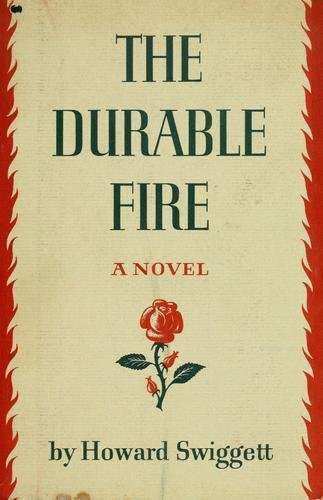
by Howard Swiggett · Houghton Mifflin
Story of business life and a happy marriage.

by Gerald Green · Charles Scribner's Sons
A doctor, living in the Brooklyn slums, conducts a one-man campaign against hoodlums.

by Max Schulman · Doubleday
New York Times Bestseller : The US Army invades a small Connecticut town in this Cold War comedy classic. Harry Bannerman drinks his nightly bourbon on the train from New York City to Putnam's Landing, Connecticut. A typical commuter, he has a bald spot, a house, two mortgages, three children, and a wife who is a committed soccer mom and pillar of the community. Harry just wants to curl up on the couch with Grace when he gets home, but instead faces an endless round of PTA meetings, political rallies, little league games, and amateur theatricals. Second Lt. Guido di Maggio loves baseball less than his last name implies and his fiancée, Maggie Larkin, more than the army allows. College sweethearts, the couple has their future all mapped out: Guido will complete his military service in Maryland while Maggie starts her teaching career in Putnam's Landing, a five-hour train ride away. But when Guido is reassigned to Alaska and Maggie loses her job for giving a sex talk to second graders, their plans go up in smoke. To avoid Alaska and save his relationship with Maggie, Guido takes the thankless job directing public relations at a new anti-aircraft base in Putnam's Landing. What happens next in this national bestseller is a dark and funny story of the disaffected and disconnected in Cold War suburbia as tensions mount between the "invading" army ("invading" Connecticut, that is) and a bevy of local teenagers; between frustrated commuters and their frustrated wives; between social do-gooders and Yankee conservatives; and between romantic dreams of the artist's life in New York and the pedestrian reality of having to earn a living to house and feed a growing family.
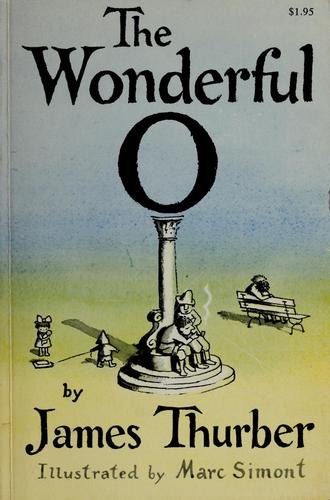
by James Thurber · Simon & Schuster
The man with the map & the man with the ship sailed for the island rich with sapphires, emeralds & rubies. Their vessel was called AEIU, which has every vowel but O. The owner hated O because his mother had become wedged in a porthole & they couldn't pull her in, so they had to push her out. The Island, Ooroo, was inhabited by gentle people who did not resist when the pirates unable to find any jewels decided to get rid of all words with an O in them. Cnfusin reigned, & chas. A man named Otto Ott, when asked his name, could only stutter. Ophelia Oliver was ashamed. Babies often made as much sense as their fathers. The islanders decided there were words with an O that must not be lost. Three of them were "Hope" & "Love" & "Valor." The fourth & most important is really the whole point of "The Wonderful O"
Historical bestseller data sourced from the New York Times Book Review, archived by Hawes Publications.